Treatment
Medication for peripheral neuropathy
Paracetamol and ibuprofen were built for injured tissue. Neuropathic pain is generated by the nerve itself, which is why the drugs that help it come from four families you would not expect — and why the first one tried is often not the one you end up on.
Written by the Managing Neuropathy editorial team under the direction of Dr. Tom Biernacki, DPM, FACFAS · Clinical review pending · Last updated 7 September 2026
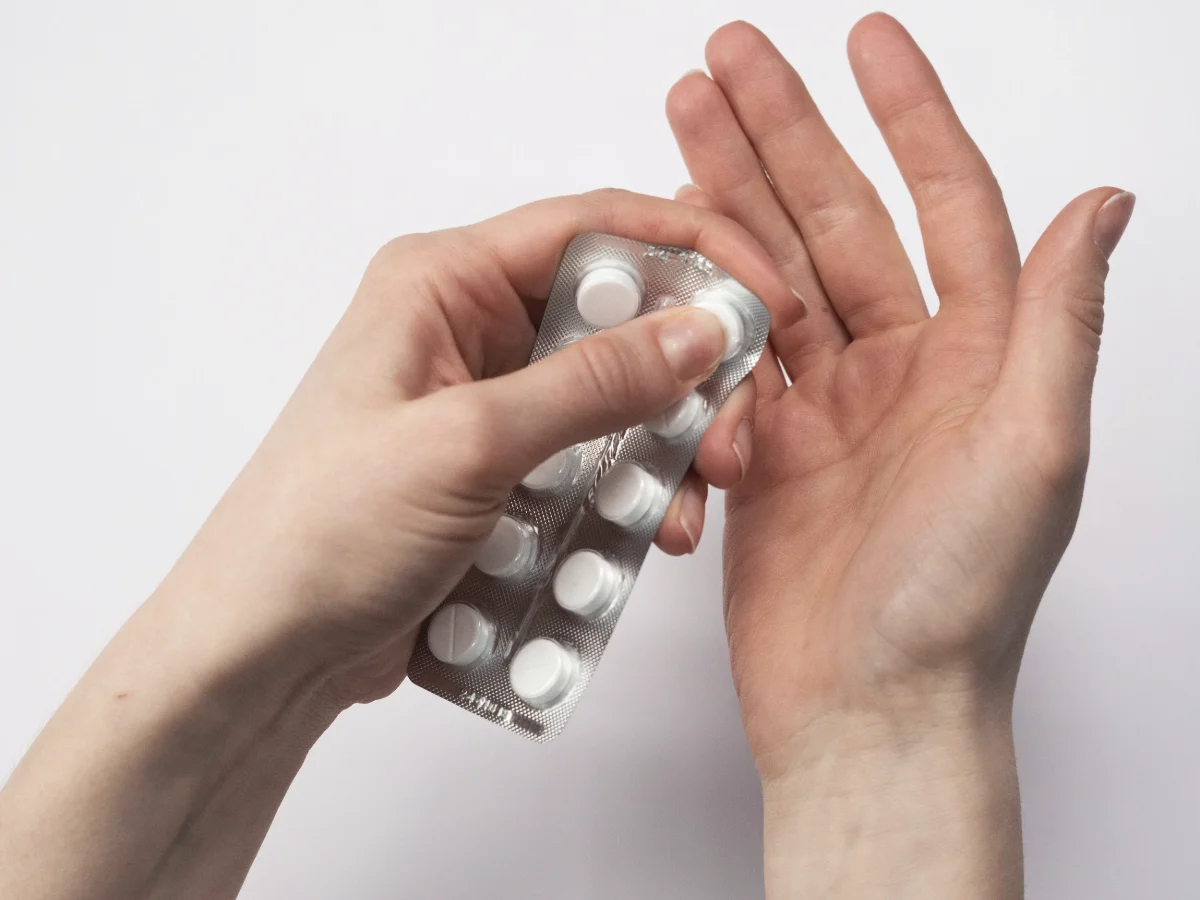
The short answer. Four families of medicine have real evidence in nerve pain: gabapentinoids, SNRI antidepressants, tricyclic antidepressants and topicals. A good result is a meaningful reduction in pain, not its removal, and it usually takes weeks of gradual dose increases to find out. None of them slows the nerve damage — that is a separate job, and it is the one that changes your long-term outcome.
Why ordinary painkillers disappoint
Most pain you have felt in your life was nociceptive: tissue was damaged, nerve endings reported it, and the signal was accurate. Anti-inflammatories and paracetamol work on that system.
Neuropathic pain is different. The nerve itself is damaged and is generating a signal with no injury behind it. Blocking inflammation in a foot that is not inflamed achieves very little, which is why people who have worked through the pharmacy shelf reasonably conclude that nothing helps. The medicines that do help act on nerve signalling instead — and almost all of them were developed for epilepsy or depression, then found to work here.
The four families
1. Gabapentinoids — pregabalin and gabapentin
These calm overactive nerve signalling. Pregabalin carries a specific regulatory approval for painful diabetic peripheral neuropathy; gabapentin is used enormously widely for the same purpose and has long clinical support behind it.
They are typically started low and increased in steps over weeks, because the side effects are worst at the start and often settle. Drowsiness, dizziness, mental fogginess, and ankle swelling are the usual reasons people stop. Both are cleared by the kidneys, so reduced kidney function changes the calculation — a relevant point when the neuropathy is diabetic and the kidneys may also be affected.
2. SNRI antidepressants — duloxetine
Duloxetine is approved for diabetic peripheral neuropathic pain and is prescribed here for pain rather than for mood. It works on the descending pathways that regulate how much pain reaches awareness.
Being handed an antidepressant for a foot problem lands badly with a lot of people, and it is worth saying plainly: it is not a suggestion that the pain is psychological. Nausea in the first week or two is the common complaint and usually settles. It is a reasonable choice where low mood or poor sleep are also in the picture, which in chronic nerve pain they very often are.
3. Tricyclic antidepressants — amitriptyline and nortriptyline
The oldest option on this list and still effective for many people, usually at doses far below those used for depression, taken at night. Dry mouth, constipation, morning grogginess and urinary difficulty are the limits, and they need more caution in older adults and in anyone with heart rhythm problems or glaucoma. Nortriptyline is often chosen over amitriptyline for being better tolerated.
4. Topicals — lidocaine and capsaicin
The advantage of a topical is that it acts where it is applied and very little enters the bloodstream, which makes it attractive when other medicines interact badly or are poorly tolerated.
Lidocaine patches numb the area they cover. Capsaicin works by the opposite logic — repeated exposure depletes the pain-signalling chemical in the nerve endings. A high-concentration capsaicin patch applied in a clinic has an approval for diabetic neuropathy of the feet; the creams sold over the counter are far weaker, need consistent daily use for weeks, and burn on application before they help. What topicals can and cannot reach is covered here.
One safety point about capsaicin and any warming rub. Never combine a topical with a heating pad, a hot soak or an electric blanket. Heat increases absorption, and a foot that cannot judge temperature cannot tell you it is being burned. This combination is a recurring cause of preventable injury in neuropathy.
What about opioids?
Professional guidance generally advises against opioids for ongoing neuropathic pain. The benefit in this specific type of pain is modest, tolerance develops, and the harms are substantial. Tapentadol in an extended-release form does carry an approval for diabetic neuropathic pain, so it is not that no opioid has ever been studied here — but it sits well down the list rather than near the top, and a plan that starts there is unusual.
What a realistic result looks like
| Expectation | Reality |
|---|---|
| How much relief | A meaningful reduction — enough to sleep, enough to walk — rather than the pain disappearing. Anyone promising elimination is overselling. |
| How fast | Weeks, not days. Doses are stepped up gradually, and judging a medicine after three days is judging the starting dose rather than the medicine. |
| How many attempts | Several. Response varies enormously between individuals, and moving to a second or third option after a fair trial is routine practice, not failure. |
| Combinations | Common. Two medicines from different families at moderate doses often beat one at a high dose, with fewer side effects. |
| Effect on the damage | None. Every medicine here treats the symptom. The nerve damage carries on according to its cause. |
The part medication does not do
This is the point most worth carrying away. Nerve-pain medicines change how the foot feels. They do not change how fast fibers are being lost, and they do not restore what has gone.
What changes the trajectory is treating the cause — glucose control if the neuropathy is diabetic, correcting a B12 deficiency, reducing alcohol, stopping smoking, treating thyroid or kidney disease, and reviewing every supplement for high-dose vitamin B6, which causes neuropathy rather than treating it. The full evaluation is here.
And what prevents the outcome people are actually frightened of — ulceration, infection, amputation — is not a prescription at all. It is looking at your feet every day, protecting them, and never applying heat. That routine takes about a minute.
Questions worth asking the prescriber
Kidney function, heart rhythm, other medicines, mood and sleep all legitimately steer the choice.
Agreeing in advance what counts as working prevents both giving up too early and staying on something useless.
A clinician who already knows the second option is thinking of this as a sequence, which it is.
Bring every bottle, including supplements. Your pharmacist can answer this well and costs nothing.
If the answer is nothing, the prescription is only half a plan.
When medication is not enough
For pain that has not responded to properly trialled medicines, a pain specialist can consider combinations and procedures. Spinal cord stimulation — an implanted device — has been studied in randomised trials specifically for painful diabetic neuropathy that failed medical treatment, with real reported benefit in that group. It is a serious intervention for a serious problem and belongs at the end of a sequence, not the start of one. The wider treatment picture, including how to assess an expensive clinic package, is here.
Common questions
Why was I prescribed an epilepsy drug?
Gabapentin and pregabalin were developed for seizures and were found to quiet the same overactive nerve signalling that produces neuropathic pain. Being prescribed one says nothing about your risk of seizures.
Is gabapentin or pregabalin better?
They act similarly. Pregabalin is absorbed more predictably and has the specific approval; gabapentin is far cheaper and works well for many people. Cost, kidney function and how you tolerate each usually decide it.
Can I stop suddenly if it is not working?
Ask first. Several of these medicines are reduced gradually rather than stopped outright, and stopping abruptly can cause its own problems.
Are there non-drug options?
Yes, and they belong alongside rather than instead: physical therapy for balance and falls, treating sleep as its own problem, and — most importantly — treating the cause. What genuinely helps at home is here.
Will insurance cover these?
Gabapentin and the tricyclics are inexpensive generics. Pregabalin, duloxetine and the clinic-applied capsaicin patch vary by plan, and some require a documented trial of a cheaper option first — which is worth knowing before the pharmacy tells you at the counter.
Related reading
Neuropathy treatment: the three goals · Neuropathy in the feet · Creams for nerve pain · Supplements, honestly assessed · Reading a cure claim · Which doctor to see
Sources and further reading: American Diabetes Association Standards of Care, neuropathy section, including recommended first-line agents for painful diabetic neuropathy and the recommendation against opioids as initial therapy. American Academy of Neurology guideline on oral and topical treatment of painful diabetic neuropathy. US Food and Drug Administration prescribing information for pregabalin, duloxetine, tapentadol extended-release and the 8% capsaicin patch. National Institute of Neurological Disorders and Stroke (NINDS), peripheral neuropathy.
This page is general education and is not a diagnosis, a treatment plan, or advice to start or stop any medicine. Clinical review by Dr. Biernacki is pending; the review date will be shown here once complete.
For our Michigan neighbors
Medicine is half
of a plan.
The other half is protective sensation testing, footwear and making sure the cause was actually looked for. Dr. Biernacki’s Michigan practice covers that side.
Everywhere else, take this page to your own clinician.

Dr. Tom Biernacki, DPM, FACFAS is a double board-certified foot and ankle surgeon (ABFAS and ABPM) and a Fellow of the American College of Foot & Ankle Surgeons. He is the founder of Balance Foot & Ankle in Howell and Bloomfield Township, Michigan, where peripheral neuropathy, diabetic foot risk and loss of protective sensation are part of his weekly clinic. His patient education videos have drawn more than 950,000 subscribers on YouTube. He writes Managing Neuropathy to put the explanation he gives in the exam room in front of the people who cannot get to one — including when a product is worth buying and when it is not.