Treatment
Red light therapy for neuropathy: what the trials show
Red and near-infrared light is sold for neuropathy in clinic packages and home devices, often with the promise of nerve regeneration. The evidence is thinner and more mixed than the marketing, and the best-designed trial of the best-known device found nothing.
Written by the Managing Neuropathy editorial team under the direction of Dr. Tom Biernacki, DPM, FACFAS · Clinical review pending · Last updated 25 September 2026
The short answer. The strongest test of infrared light for diabetic neuropathy was a double-blind trial in which half the participants used a real device and half used a dummy one for 90 days. Neither sensation nor pain nor nerve conduction differed between the groups. Smaller studies, most without a dummy device, report less pain. Medicare examined the evidence and decided not to cover infrared therapy for neuropathy at all. It is not dangerous when the skin can feel heat, but a device that warms numb feet can burn them, and the money is usually better spent elsewhere.
What it actually is
Red light therapy, low-level laser therapy and photobiomodulation are names for the same idea: shining red or near-infrared light on the skin in the hope that the light energy changes what cells do underneath. In neuropathy, the pitch is usually improved circulation or nerve repair.
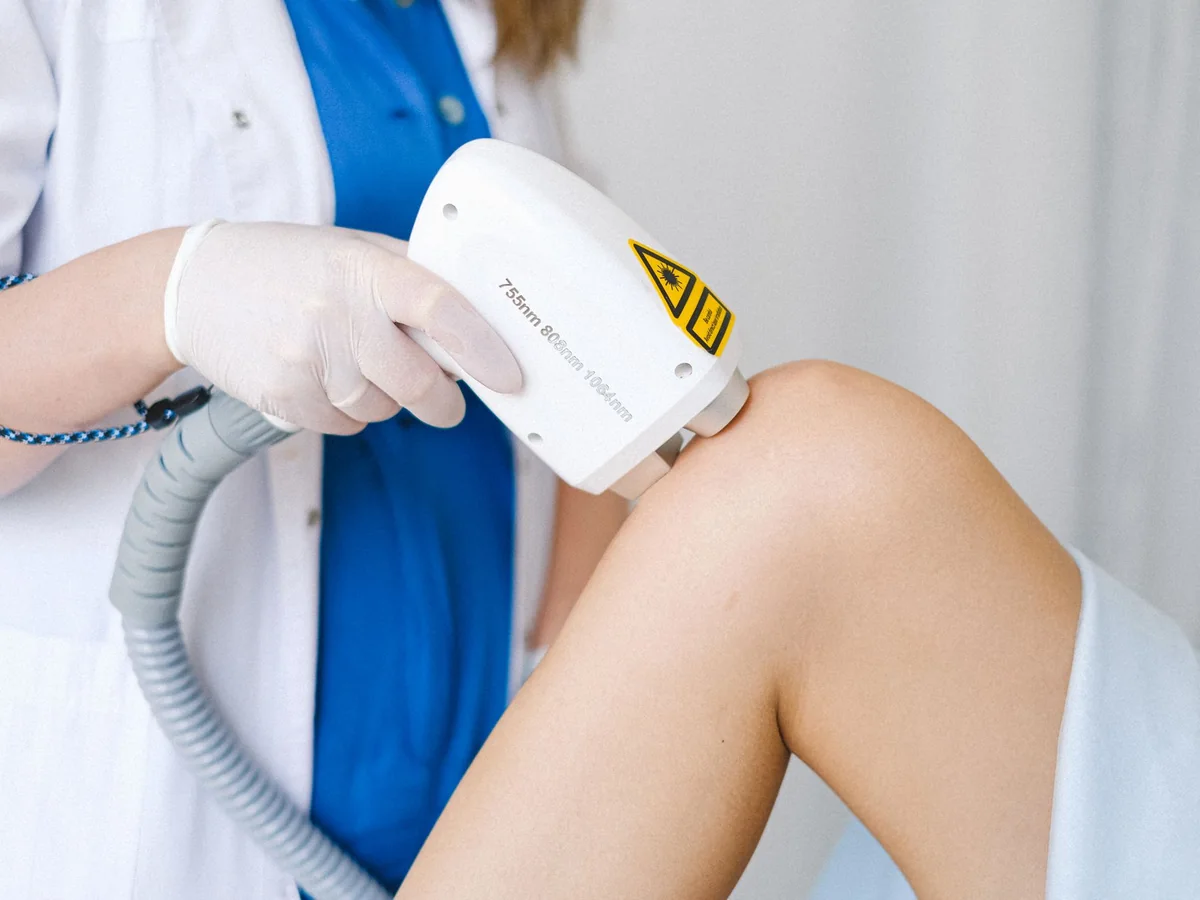
Two forms are sold. In clinics, pads or panels are applied to the feet and legs for 20 to 40 minutes, usually in packages of a dozen or more sessions. The best-studied version of this is monochromatic infrared energy, the system marketed as Anodyne. At home, the same idea appears as panels, wraps, slippers and handheld wands, priced from tens to thousands of dollars.
What the trials found
The sham-controlled test. In 2008, a team led by Lawrence Lavery published a double-blind, randomized, sham-controlled trial in Diabetes Care. Sixty-nine people with diabetes and reduced vibration sensation were assigned to a real infrared device or an identical-looking dummy, used at home for 40 minutes a day for 90 days. The researchers measured nerve conduction, vibration thresholds, monofilament sensation, a neuropathy screening score, pain and quality of life. None of them differed between the groups. Their conclusion was that the therapy was no more effective than sham treatment.
The positive studies. A 2023 systematic review in Current Diabetes Reviews pooled eight studies of photobiomodulation in diabetic neuropathy and reported improvements in neuropathic pain and nerve conduction, and concluded the treatment is effective. Two things about that review matter: it included non-randomized studies, and most of the included work is small and short.
That combination — a clearly negative sham-controlled trial and a set of smaller, weaker positive studies — is the classic signature of a treatment whose apparent benefit comes largely from expectation and from being in a program at all. It does not prove the light does nothing. It does mean that anyone selling it as proven is ahead of the evidence.
Watch the claim being made. “Improves circulation” and “reduces pain for some people” are modest claims. “Regenerates nerves”, “reverses neuropathy” or “repairs nerve damage” are not supported by any trial in people with neuropathy. How to read a sales page.
Why Medicare does not cover it
Medicare reviewed infrared therapy devices and issued a national coverage determination in 2006. Its wording is unusually plain: the use of infrared and near-infrared light and heat, including monochromatic infrared energy, is non-covered for the treatment of diabetic and non-diabetic peripheral sensory neuropathy, including the pain arising from it, and for wounds and ulcers of the skin.
That is a formal decision that the evidence did not show the treatment to be reasonable and necessary. A clinic can still sell it, and many do, but it will be cash, and the coverage decision is a fair summary of where the evidence stood then and largely still stands.
If you still want to try it
People do try it, and a short trial of a cheap device is not unreasonable if you go in with clear eyes. Questions worth asking first:
Packages of 20 or more sessions, paid up front, are the usual structure. Ask about the refund policy before, not after.
A program sold before your glucose, B12, thyroid and kidney tests have been looked at is not aimed at your neuropathy. It is aimed at neuropathy in general, which nobody has.
Ask for the published study, in humans, with your condition, measuring the outcome they are promising. The answer is informative either way.
If it warms the skin and you cannot feel temperature reliably, it is a burn risk. This is the one part of this page that is not about wasted money.
Good shoes, a course of physical therapy for balance, or a proper evaluation are usually better value.
Safety with numb feet
Light itself is not the hazard. Heat is. Many infrared pads and lamps warm the skin, and diabetes foot-care guidance is consistent that heating pads, hot water bottles and hot soaks do not belong on feet that cannot feel temperature, because burns happen before you notice. If you use any warming device on numb feet, have someone else check the skin afterward, keep sessions short, and never use one while falling asleep.
Stop and get the foot looked at if you find redness that does not fade, a blister, or any broken skin. The daily foot check matters more here than usual.
What has better evidence
- Treating the cause. Glucose control, correcting a B12 deficiency, stopping excess B6, reducing alcohol. The only category that changes the course. What can actually recover.
- Prescription medicines for nerve pain, which do not repair nerves but do reduce pain, with real trial evidence behind them. How they compare.
- Balance and strength work, which lowers fall risk within weeks. The exercises worth doing.
- Protecting the feet, which prevents the outcomes people actually fear.
- Topical options for localized burning, where the evidence is modest but the risk is low. What is in the creams.
Common questions
Does red light therapy help neuropathy?
The best-designed trial, comparing a real infrared device with a dummy device over 90 days, found no difference in sensation, pain, nerve conduction or quality of life. Smaller and weaker studies report pain improvement. It is reasonable to call the benefit unproven.
Does Medicare cover red light or infrared therapy for neuropathy?
No. A national coverage determination issued in 2006 makes infrared and near-infrared therapy non-covered for diabetic and non-diabetic peripheral sensory neuropathy, including pain from it.
Can red light therapy regenerate nerves?
No trial in people with neuropathy has shown nerve regeneration from light therapy. Any product claiming that is claiming more than the evidence supports.
Is red light therapy safe for diabetic feet?
The light itself is low risk. The heat some devices produce is not, on feet that cannot feel temperature. Keep sessions short, never fall asleep with a warming device on your feet, and check the skin afterward.
What about cold laser therapy at a clinic?
Low-level laser therapy and red light therapy are the same family of treatment and share the same evidence problem. The questions to ask a clinic are the ones listed above, starting with which published trial in people with your condition measured what they are promising.
Related reading
Neuropathy treatment, sorted by what it does · Can you reverse neuropathy in 7 days? · Home remedies, examined · Neuropathy creams · Supplements for neuropathy
Sources and further reading: Lavery LA et al., Does anodyne light therapy improve peripheral neuropathy in diabetes? A double-blind, sham-controlled, randomized trial to evaluate monochromatic infrared photoenergy, Diabetes Care 2008;31:316–321. Centers for Medicare & Medicaid Services, national coverage determination 270.6, infrared therapy devices (effective 24 October 2006). Korada HY et al., Effectiveness of photobiomodulation therapy on neuropathic pain, nerve conduction and plantar pressure distribution in diabetic peripheral neuropathy: a systematic review, Curr Diabetes Rev 2023. NIDDK, diabetes and foot problems, on heat and numb feet.
This page is general education and is not a diagnosis, a treatment plan, or advice about a specific device. Clinical review by Dr. Biernacki is pending; the review date will be shown here once complete.
For our Michigan neighbors
Offered a light
therapy package?
Before paying for a course of anything, it is worth knowing which cause is driving your neuropathy. Dr. Biernacki’s Michigan practice can look at that first.
Everywhere else, take this page to your own clinician.

Dr. Tom Biernacki, DPM, FACFAS is a double board-certified foot and ankle surgeon (ABFAS and ABPM) and a Fellow of the American College of Foot & Ankle Surgeons. He is the founder of Balance Foot & Ankle in Howell and Bloomfield Township, Michigan, where peripheral neuropathy, diabetic foot risk and loss of protective sensation are part of his weekly clinic. His patient education videos have drawn more than 950,000 subscribers on YouTube. Managing Neuropathy is written by its editorial team under his direction, to put the explanation he gives in the exam room in front of the people who cannot get to one — including when a product is worth buying and when it is not.