Living with neuropathy
Foods to avoid with neuropathy in your feet, and why
No food causes neuropathy on its own, and none cures it. A short list does make it worse or keep it going, and the reasons are specific enough to act on without turning eating into a second illness.
Written by the Managing Neuropathy editorial team under the direction of Dr. Tom Biernacki, DPM, FACFAS · Clinical review pending · Last updated 25 September 2026
The short answer. Four things belong on the avoid list, and each for its own reason: alcohol, because it damages nerves directly and interferes with the vitamins that repair them; refined carbohydrates and sugary drinks, because glucose control is the best-evidenced way to slow nerve damage; high-dose vitamin B6, because too much of it causes a neuropathy of its own; and gluten, but only if you have celiac disease. Everything else on the internet’s list is unproven.
Alcohol
Alcohol is the one item on this page that damages nerves in two ways at once. Heavy drinking is a direct cause of peripheral neuropathy, and it also interferes with the absorption and storage of thiamine and other B vitamins that nerves depend on. That is why treating alcohol-related neuropathy means both stopping the drinking and correcting the deficiencies. How alcohol-related neuropathy progresses, and how far it recovers.
If you drink and have neuropathy from any cause, the CDC’s definition of moderate drinking is the floor to work from: two drinks or less a day for men, one or less for women, with the plain note that drinking less is better for health than drinking more, and that people who do not drink should not start. After long-term heavy drinking, stopping should be medically supervised rather than done alone.
There is a second, sharper reason to be careful if you take insulin or certain diabetes medicines: alcohol can push blood glucose too low. The NIDDK advises eating when you drink and checking glucose afterward.
Refined carbohydrates and sugary drinks
This is not about sugar “feeding” nerve damage. It is about the one intervention with the strongest evidence behind it. The American Diabetes Association’s 2026 Standards of Care recommend optimizing glucose management to prevent or delay neuropathy in type 1 diabetes and to slow its progression in type 2, and optimizing weight, blood pressure and cholesterol alongside it. The NIDDK puts the practical version plainly: staying close to your goal numbers can keep nerve damage from getting worse.
What that means at the table is unglamorous and well established. The NIDDK’s guidance is to limit foods high in saturated fat, sodium and added sugar, and to limit sweet drinks — soda, juice, flavored coffee and sports drinks — while building meals from nonstarchy vegetables, whole grains, protein foods, fruit and dairy. Its plate method (half nonstarchy vegetables, a quarter carbohydrate foods, a quarter protein) and carbohydrate counting are both ways to keep the load steady. As the NIDDK says, there is no single right way to do it.
The reason this belongs on a neuropathy page rather than only a diabetes page: up to half of people with diabetes develop neuropathy, and glucose control is the only lever proven to change its course. Diabetic neuropathy, in full.
High-dose vitamin B6
This is the item people are most surprised by, because B6 is sold as a nerve vitamin. Too much of it causes a sensory neuropathy that looks very much like the one you are trying to treat. The US upper limit for adults is 100 mg a day; cases have been reported at lower long-term doses, and in 2023 the European Food Safety Authority set its own limit at 12 mg a day.
Food is not the problem here. Supplements are, and the total is easy to miss: a multivitamin, a B-complex, a magnesium product and a “nerve support” formula can each contribute. The NIH’s guidance is that symptoms usually stop if the supplement is stopped as soon as they appear. Take the bottles to your next appointment rather than guessing. How to read a supplement label for B6.
Gluten, but only if you have celiac disease
Celiac disease can cause peripheral neuropathy: the NIDDK lists it among the nervous-system symptoms of celiac, and notes that symptoms typically improve and may go away once a gluten-free diet is started. That makes gluten a genuine item on the avoid list — for people with celiac disease.
For everyone else there is no evidence that cutting gluten helps neuropathy. And if celiac disease has not been ruled out, do not start a gluten-free diet before testing: the NIDDK is explicit that doing so can affect the test results. Ask for the blood test first, while you are still eating gluten.
What to eat instead
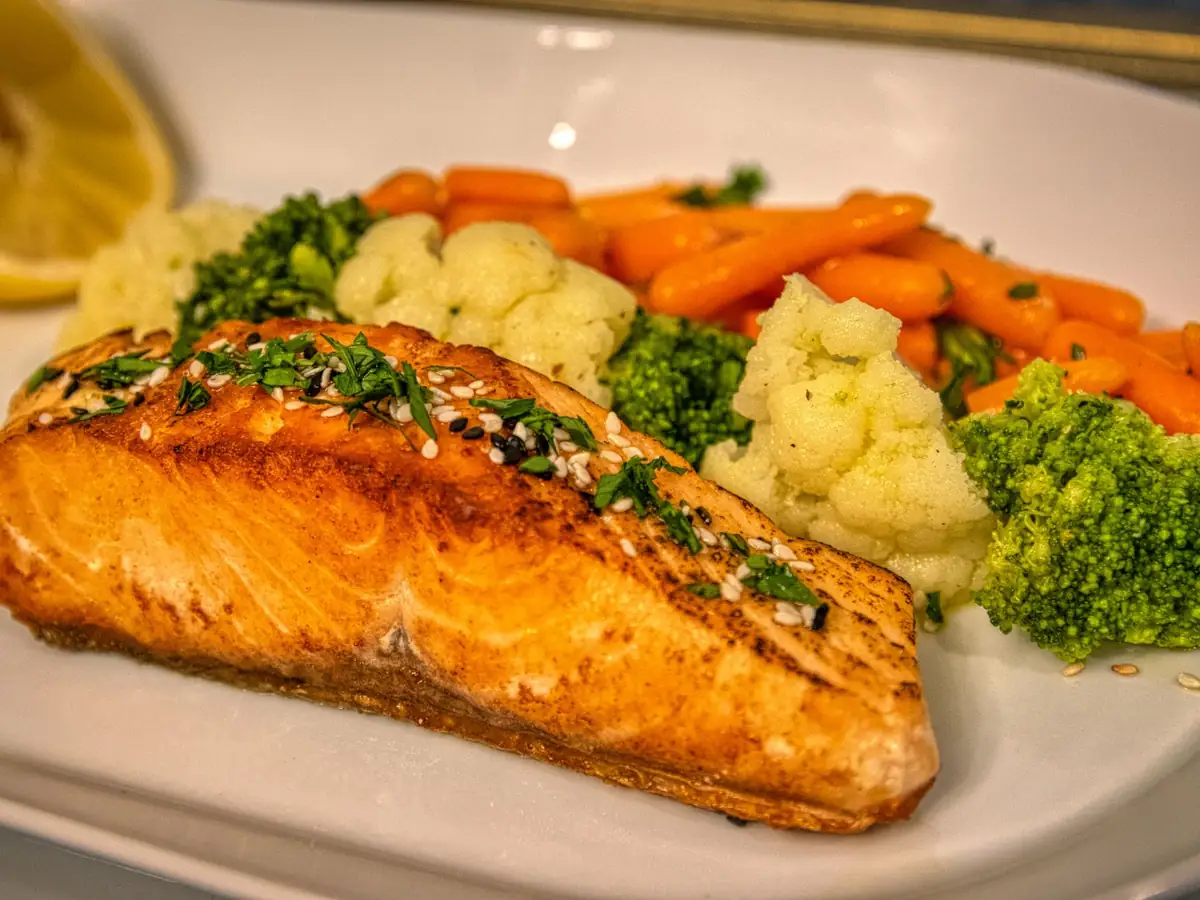
Half nonstarchy vegetables, a quarter carbohydrate foods, a quarter protein. It does more for glucose than any supplement on the market.
Soda, juice, sports drinks and sweetened coffees are the easiest glucose load to remove.
Fish, meat, eggs, dairy and fortified cereals. If you take metformin or long-term acid-reducing medicine, ask for a B12 level with methylmalonic acid rather than adding a supplement blind.
Less is better. If alcohol is part of the cause, stopping is the treatment.
Muscle and balance protect a numb foot more than any anti-inflammatory food does. The exercises worth doing.
The claims to ignore
- “These foods reverse neuropathy.” No food has been shown to regrow nerve fibers. The ADA’s 2026 Standards state plainly that no specific treatment to reverse diabetic nerve damage is currently available. What genuinely can recover.
- “Nightshades cause neuropathy.” Tomatoes, peppers, potatoes and eggplant have no established link to nerve damage. Nobody has run the trial, and nothing in the mechanism suggests one is needed.
- “Alkaline foods heal nerves.” Diet does not meaningfully change blood pH, which the body regulates within a narrow range.
- “Cut out all carbs.” The goal is steady glucose and a sustainable pattern, not elimination. Very low-carbohydrate eating suits some people and not others, and it interacts with diabetes medicines, so it is a conversation with your clinician rather than a purchase.
- “This supplement is an anti-inflammatory diet in a bottle.” The supplement evidence is thin, and some products contain enough B6 to cause the problem they claim to treat.
Common questions
What foods should I avoid if I have neuropathy in my feet?
Alcohol, refined carbohydrates and sugary drinks, and high-dose vitamin B6 supplements. Gluten belongs on the list only if you have celiac disease. Those four have specific mechanisms behind them; the longer lists circulating online do not.
Does sugar make neuropathy worse?
Indirectly, and it matters. High blood glucose over time is what damages the nerves in diabetic neuropathy, and glucose control is the only intervention shown to slow it. A single sweet food is not the issue; the pattern is.
Is coffee bad for neuropathy?
There is no good evidence that coffee harms nerves. If it disturbs your sleep, that is worth knowing, because symptoms are usually worse at night and poor sleep amplifies pain. Sweetened coffee drinks count toward the sugary-drink list.
Should I go gluten-free for neuropathy?
Only if you have celiac disease, in which case the diet is the treatment and neurological symptoms often improve. Ask for celiac testing before you cut gluten out, because a gluten-free diet can affect the test results.
Can a diet reverse neuropathy?
No diet has been shown to regrow nerve fibers. What diet can do is bring glucose into range, which slows further damage, and correct a deficiency such as B12, which can improve symptoms when it is the cause.
Related reading
What makes neuropathy worse · Supplements for neuropathy · Diabetic neuropathy · Alcohol-related neuropathy · Can neuropathy be reversed? · Home remedies, examined
Sources and further reading: American Diabetes Association Standards of Care in Diabetes—2026, section 12, on glucose, weight, blood pressure and lipid management for neuropathy, and on the absence of any treatment that reverses the nerve damage. NIDDK, diabetes diet, eating and physical activity, for the plate method, carbohydrate counting, the foods and drinks to limit, and alcohol with diabetes medicines. NIDDK, diabetic peripheral neuropathy. CDC, moderate alcohol use. Sadowski A, Houck RC, Alcoholic neuropathy, StatPearls. NIH Office of Dietary Supplements, vitamin B6 and vitamin B12. NIDDK, celiac disease: symptoms and causes and diagnosis.
This page is general education and is not a diagnosis, a treatment plan, or advice to start or stop any medicine or supplement. Clinical review by Dr. Biernacki is pending; the review date will be shown here once complete.
For our Michigan neighbors
Changing what you eat,
without knowing the cause?
Diet helps most when it is aimed at the right target. Finding out which cause is driving your neuropathy comes first, and it usually takes one visit and a few blood tests. Dr. Biernacki’s Michigan practice can start there.
Everywhere else, take this page to your own clinician.

Dr. Tom Biernacki, DPM, FACFAS is a double board-certified foot and ankle surgeon (ABFAS and ABPM) and a Fellow of the American College of Foot & Ankle Surgeons. He is the founder of Balance Foot & Ankle in Howell and Bloomfield Township, Michigan, where peripheral neuropathy, diabetic foot risk and loss of protective sensation are part of his weekly clinic. His patient education videos have drawn more than 950,000 subscribers on YouTube. Managing Neuropathy is written by its editorial team under his direction, to put the explanation he gives in the exam room in front of the people who cannot get to one — including when a product is worth buying and when it is not.