Living with neuropathy
Neuropathy exercises for the legs and feet, and what to skip
Exercise will not regrow damaged nerves. What it can do is make you steadier, stronger and less likely to fall, and when your feet are numb, that is the result that matters most.
Written by the Managing Neuropathy editorial team under the direction of Dr. Tom Biernacki, DPM, FACFAS · Clinical review pending · Last updated 24 September 2026
The short answer. The evidence supports balance and strength work two or three times a week, plus regular walking, cycling or swimming. Exercise in shoes, hold on to something for balance moves, and check your feet afterward. Skip anything barefoot or high-impact, and anything that puts weight on an open wound or on a foot that is warm, red and swollen.
What exercise can and can’t do
What it can do. Balance training improves balance and walking and lowers the risk of falls, even when neuropathy is present. That is the American Diabetes Association’s reading of the evidence. In the studies it cites, group programs combining strength and balance work, or tai chi, reduced falls by about 28 to 29 percent. Regular aerobic exercise also helps control blood glucose. The ADA notes it may delay the progression of diabetic neuropathy.
Two systematic reviews found that exercise programs improved neuropathy symptoms, examination findings, balance and day-to-day function. The ADA’s 2026 Standards of Care describe the strength of that evidence as low, so treat it as encouraging rather than proven.
What it can’t do. No exercise reliably restores feeling in a numb foot or reverses nerve damage. Be wary of any routine, device or program that promises otherwise. Here is why.
Before you start: three rules for numb feet
Even indoors, and even for floor exercises where you can. A numb foot cannot report a pebble, a seam or a splinter until the damage is done. The ADA’s advice is proper footwear with cushioned midsoles, and socks of polyester or a blend rather than pure cotton, to keep feet dry. What to look for in a shoe is here.
Look at the soles, heels and between the toes after each session, using a mirror or your phone camera if you need to. Redness that does not fade, a blister or a break in the skin means stop and get it seen. The daily foot check routine is here.
Do balance moves at a kitchen counter or beside a sturdy chair. Ask your doctor before you start if you have heart disease, feel dizzy when you stand up, have an open wound on your foot, or have had a foot ulcer.
Balance exercises
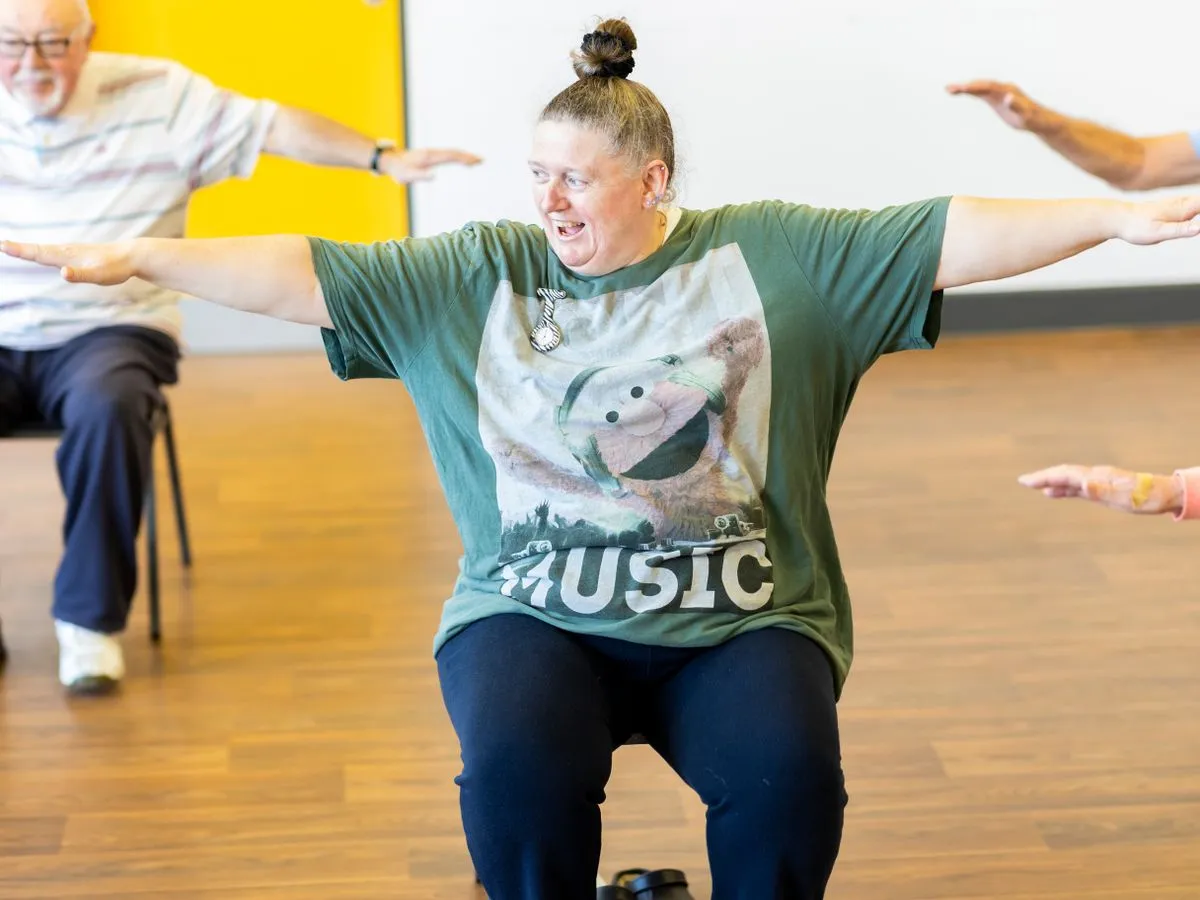
The ADA recommends balance training two or three times a week for older adults with diabetes, particularly those with peripheral neuropathy. Stand at a counter for all four.
Feet hip-width apart, hands on the counter. Slowly shift your weight to one foot, then the other, then forward and back. About a minute.
Lift one foot just off the floor and hold for up to 10 seconds, then switch. Three to five on each side. As you improve, hold on with fingertips only.
With one hand on the counter, walk forward placing the heel of one foot directly in front of the toes of the other, like walking a line. Ten to twenty steps, then turn around.
From a sturdy chair, stand up, using your hands only as much as you need to, and sit down slowly. Ten times. It builds the thigh strength that keeps you upright when you stumble.
Tai chi counts too. It is the CDC’s own example of a strength-and-balance exercise that helps prevent falls, and many community centers run classes suited to beginners.
Strength exercises for the ankles and feet
Strength work two or three times a week, on days that are not back-to-back, is what the ADA recommends for adults with diabetes. For the lower legs:
- Heel raises. Holding the counter, rise slowly onto the balls of your feet, then lower slowly. Ten to fifteen times.
- Toe raises. Holding the counter, rock back onto your heels and lift the front of your feet. Ten to fifteen times.
- Band work, seated. Loop a resistance band around the front of one foot. Point your foot against the band, then pull your toes back toward you, then turn the sole in and out. Ten each way, each foot.
- Seated knee straightening. Sitting tall, straighten one knee and hold for a count of three, then lower. Ten each side. Strong thigh muscles make walking steadier.
If the front of your foot drops or catches when you walk, the ankle needs specific attention, and a brace may be part of the plan. Foot drop is covered here.
If your foot already drops, exercises for foot drop start at whatever level of movement you have.
Aerobic exercise that protects your feet
Most adults with diabetes are advised to build up to about 150 minutes of moderate activity a week. The question with neuropathy is how to get there without injuring skin that cannot report trouble.
- Walking, in proper shoes. The ADA’s position is that moderate walking is not likely to increase the risk of foot ulcers in people with peripheral neuropathy. Build up gradually and check your feet afterward.
- Cycling. A stationary bike gives a real workout with little pressure on the soles, which helps if your walking has changed or your foot has a deformity.
- Swimming and water exercise. Also easy on the feet. Wear water shoes on the pool deck, and dry carefully between the toes afterward.
- Chair exercise and gentle stretching. Useful on days your feet or balance are not up to walking.
Exercises to skip, or adapt
- Anything barefoot. Barefoot running, and barefoot workouts on hard floors, put unprotected skin you cannot feel against whatever is underfoot. Choose classes you can do in shoes, or chair-based versions.
- Jumping and high-impact moves. Repeated hard landings load the soles over and over. If you have ever had a foot ulcer, the ADA advises against jogging.
- Hot yoga and other exercise in heat. Neuropathy that affects the automatic nerves can disturb how the body controls temperature and fluids during exercise. Heat is also no friend to feet that cannot judge it.
- Weight-bearing on an open wound. An unhealed ulcer or blister means non-weight-bearing exercise, such as cycling with the other leg, upper-body work or seated exercise, until it has healed.
- Weight-bearing on a warm, red, swollen foot. In someone with neuropathy, that combination without an injury can be Charcot foot, a weakening of the foot bones. Stop and get it seen the same day or the next.
- Quick changes of position if you get dizzy when you stand up. Rise slowly, and hold on.
A 10-minute routine
Three days a week, on days that are not back-to-back, with a walk, bike ride or swim on other days. Print this page and keep it by the counter.
| Exercise | How much | Hold on? |
|---|---|---|
| Weight shifts | 1 minute | Yes |
| Heel raises | 10–15 | Yes |
| Toe raises | 10–15 | Yes |
| Supported single-leg stand | 3–5 holds of up to 10 seconds, each side | Yes |
| Heel-to-toe walk | 10–20 steps, twice | One hand |
| Sit-to-stand | 10 | Chair arms if needed |
| Seated band work | 10 each direction, each foot | Seated |
| Easy walk to finish, then check your feet | 2–3 minutes | — |
When to stop and call
- Stop at once for chest pain or pressure, unusual shortness of breath, or feeling faint. Call 911 if it does not settle quickly.
- Stop weight-bearing and get it seen if you find a blister, a sore, or redness that does not fade after exercise.
- Same day or next for a warm, red, swollen foot without an injury.
- Ask for a physical therapy referral if you have fallen, nearly fallen, or feel unsure on your feet. A therapist can tailor this routine to you.
Common questions
What exercises should you avoid with peripheral neuropathy?
Barefoot exercise, repeated jumping and other high-impact moves, and exercise in heat, such as hot yoga. Also avoid any weight-bearing on an unhealed wound or on a foot that has become warm, red and swollen. If you have had a foot ulcer, the ADA advises against jogging. Most people can still walk, cycle, swim and do balance and strength work safely.
Is walking good for neuropathy in the feet?
For most people, yes. The ADA’s position is that moderate walking is not likely to raise the risk of foot ulcers in people with neuropathy. Wear well-fitting shoes and socks, build up gradually, and check your feet after every walk.
Can exercise reverse neuropathy?
Not in the sense of restoring lost nerve fibers. It improves balance, strength and glucose control, and it may slow progression and ease symptoms, though the evidence for that is still weak. It is worth doing for what it reliably delivers: fewer falls.
How often should I do balance exercises?
Two or three times a week is what the ADA recommends for older adults with diabetes, particularly with neuropathy. A few minutes a day at the kitchen counter works well.
Should I see a physical therapist?
Yes, if you have fallen or nearly fallen, feel unsteady, have a foot that drops or catches, or are not sure what is safe for you. A therapist can test your balance and build a program around it.
Related reading
The daily foot check · Shoes for neuropathy: what to look for · Socks for neuropathy · Foot drop · Home remedies, honestly assessed
Sources and further reading: Colberg SR et al., Physical Activity/Exercise and Diabetes: a position statement of the American Diabetes Association, Diabetes Care, 2016. It covers balance training with neuropathy, falls, walking and ulcer risk, unhealed ulcers, jogging, Charcot foot and autonomic neuropathy. American Diabetes Association Standards of Care in Diabetes—2026, section 12, on exercise and neuropathy outcomes and the strength of that evidence. CDC, preventing falls. NIDDK, diabetes and foot problems, on shoes and socks at all times and activities that are easy on the feet.
This page is general education and is not a diagnosis, a treatment plan, or a substitute for an exercise program designed for you. Clinical review by Dr. Biernacki is pending; the review date will be shown here once complete.
For our Michigan neighbors
Unsteady on
numb feet?
A foot examination checks protective sensation, circulation and the skin, which is where a safe exercise plan starts. Dr. Biernacki’s Michigan practice can start there.
Everywhere else, take this page to your own clinician.

Dr. Tom Biernacki, DPM, FACFAS is a double board-certified foot and ankle surgeon (ABFAS and ABPM) and a Fellow of the American College of Foot & Ankle Surgeons. He is the founder of Balance Foot & Ankle in Howell and Bloomfield Township, Michigan, where peripheral neuropathy, diabetic foot risk and loss of protective sensation are part of his weekly clinic. His patient education videos have drawn more than 950,000 subscribers on YouTube. Managing Neuropathy is written by its editorial team under his direction, to put the explanation he gives in the exam room in front of the people who cannot get to one — including when a product is worth buying and when it is not.